


Pigment & Sun Damage
Brighter, more even, healthier-looking skin
EXETER | HONITON | SIDFORD
What is Pigment & Sun Damage?
Pigmentation and sun damage — dark spots, patches and an uneven tone — are among the most common concerns we’re asked about, and they have a lot to do with our sunny past. In fact, the majority of what we think of as skin “ageing” is actually accumulated sun exposure, much of it from years earlier, which is why it so often surfaces more noticeably as we get older.
Most of this comes from UV light stimulating the skin to produce excess melanin, the pigment that gives skin its colour. Over time this shows up in different ways: sun spots (sometimes called age spots or solar lentigines) on the areas most exposed to daylight, such as the face, chest and backs of the hands; freckling; and a general loss of clarity and evenness. Marks left behind by past breakouts or irritation can add to the picture too. It’s worth knowing that hormone-related pigmentation, like melasma, behaves a little differently and needs a gentler, more specific approach — so understanding exactly what’s driving your pigmentation is always the first step.
The encouraging news is that pigmentation and sun damage usually respond really well once we know what we’re treating. A tailored combination of professional treatments and medical-grade skincare can visibly brighten the skin, break down excess pigment and restore a clearer, more even tone — with daily sun protection playing an essential role in both improving your skin and preventing new damage.
At your consultation, we’ll talk through your skin history and sun exposure, look closely at the type of pigmentation you have, and put together a personalised plan to brighten and even your complexion safely.
Recommended treatments
Skin Care Recommendations
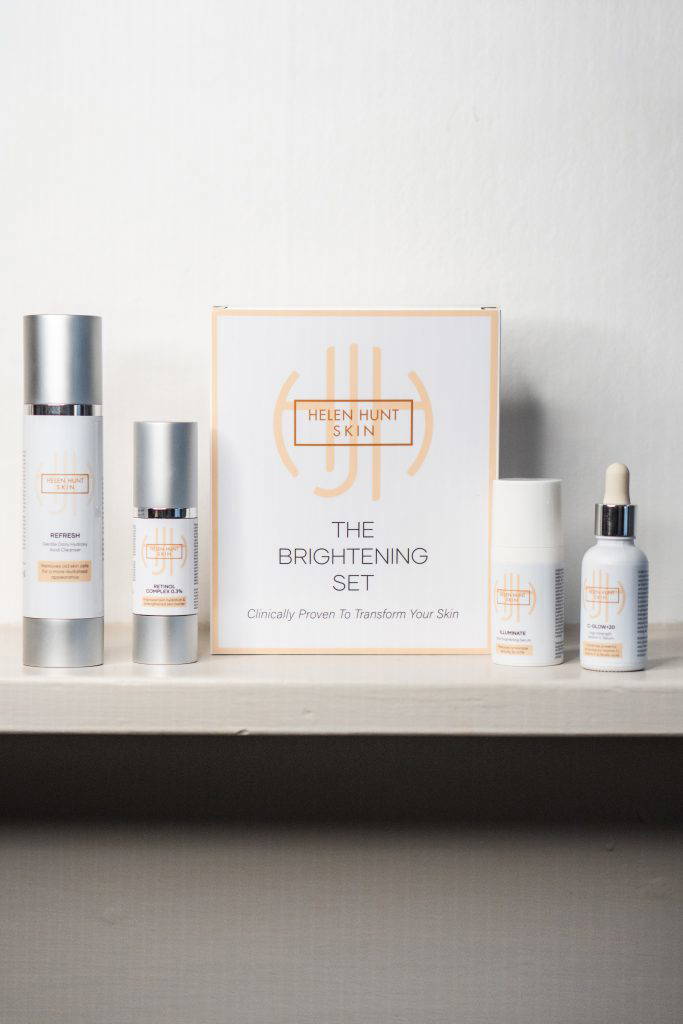
HJH Brightening Set
A brightening, protective skincare routine to fade pigmentation and prevent further sun damage.
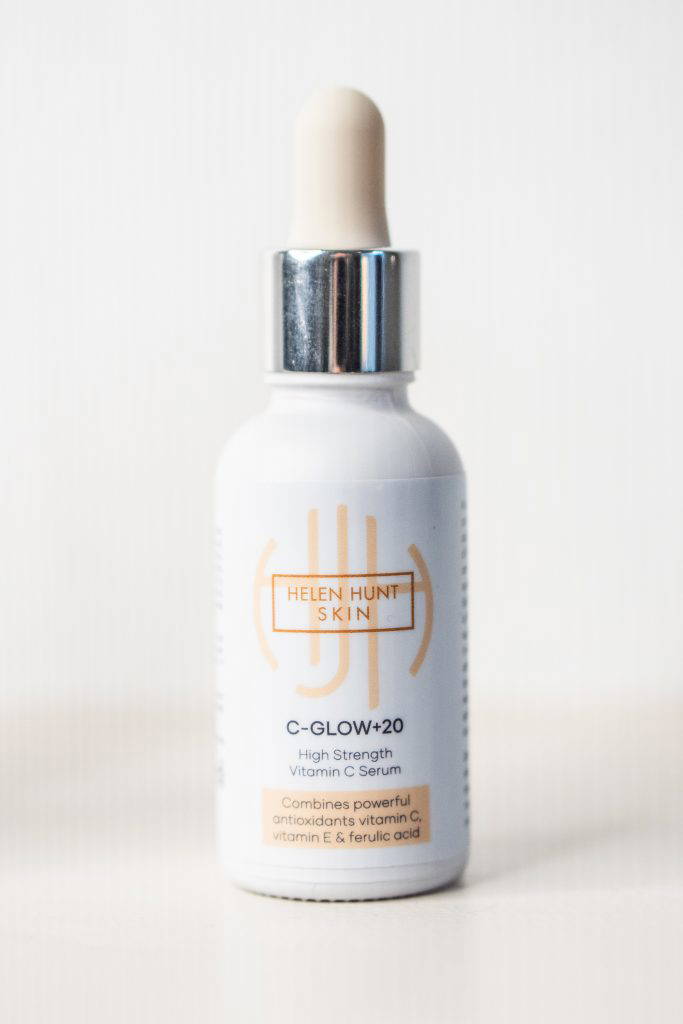
Pigment & Sun Damage Self-Care Tips
Daily vitamin C is essential to prevent further damage, as it is an antioxidant and avoid peak-sun exposure.