


What is scarring ?
Scars are a completely natural part of how our skin heals, but when they affect texture or tone they can understandably knock our confidence — particularly on the face. Whether yours are from acne, an injury, surgery or another skin concern, understanding the type of scarring you have is the key to improving it, because different scars respond to different approaches.
Broadly, scars fall into a few categories. Atrophic scars sit below the surface of the skin and appear as small indentations or pitting — these are the most common type left by acne. Raised scars sit above the skin, where the body has produced a little too much collagen during healing. And many people are actually dealing with post-inflammatory marks — the red or brown discolouration left behind after a spot or injury — which, while not true scars, affect the evenness of the skin in a similar way. It’s very common to have a mix of texture and tone changes together.
The encouraging news is that scarring responds well to treatments that work with the skin’s own healing processes. By stimulating fresh collagen and encouraging the skin to remodel and repair itself, we can noticeably smooth, soften and refine the appearance of scars over a course of treatment — improving both texture and tone gradually and naturally.
We’re always honest about what’s realistic: scars can rarely be erased completely, but genuine, visible improvement is very achievable. During your consultation, we’ll look closely at your scarring, explain what’s likely to help most, and create a personalised plan focused on steady, natural improvement — with clear, realistic expectations every step of the way.
Recommended treatments
Skin Care Recommendations
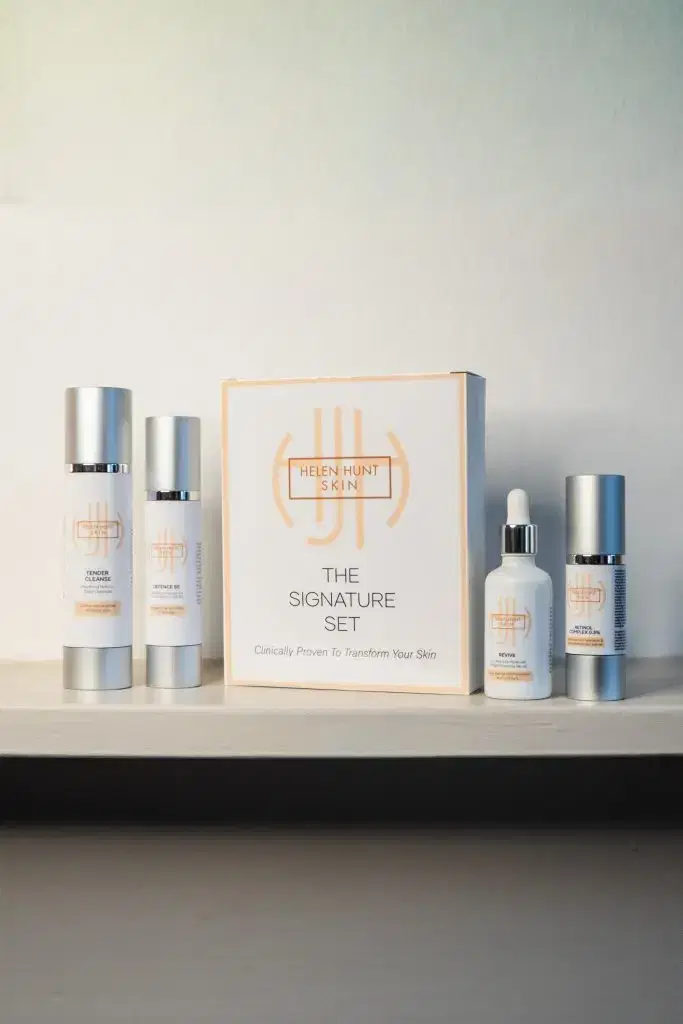
HJH Signature Set
A supportive skincare routine to aid skin repair and maintain improvements between treatments.
Scarring Self-Care Tips
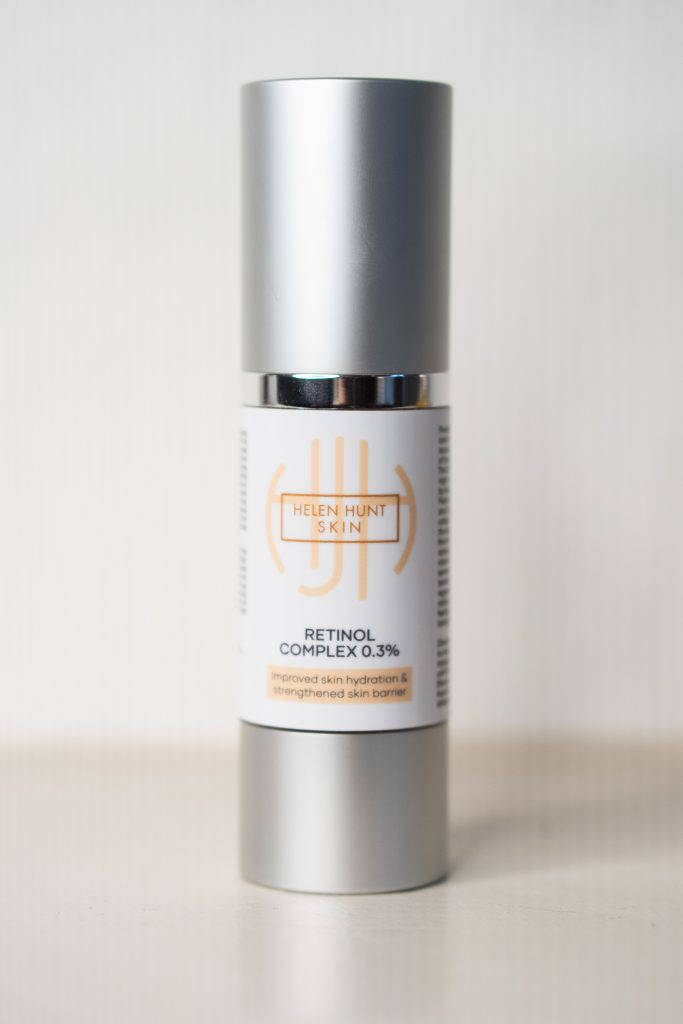
Resurface uneven skin and strengthen skin barrier with Retinol.