Acne
Acne is surprisingly common — in fact, it's the most common skin condition in the UK, affecting an estimated 80% of people at some point in their lives. So if you're dealing with it, you're far from alone.
Although it's most often associated with puberty and the teenage years, acne can continue well into adulthood, with some people experiencing it into their 30s, 40s and beyond. It usually appears on the face, chest or back — and because it's so visible, it can affect confidence just as much as the skin itself. That emotional side matters to us too, and it's something we'll always take seriously.
Acne develops when the sebaceous glands become overactive and produce too much oil, which combines with dead skin cells to block the pores. Bacteria, hormones and inflammation then play their part, leading to the different types of spots below.
At Helen Hunt Medical Aesthetics, we take the time to understand the factors behind your acne, rather than simply treating the surface. Depending on its type and severity, acne can be managed with a tailored combination of professional treatments, medical-grade skincare and, where appropriate, prescribed products.
We always recommend starting with a consultation, so we can look at your skin properly and advise on the most effective treatment and skincare plan for you.
Book a consultation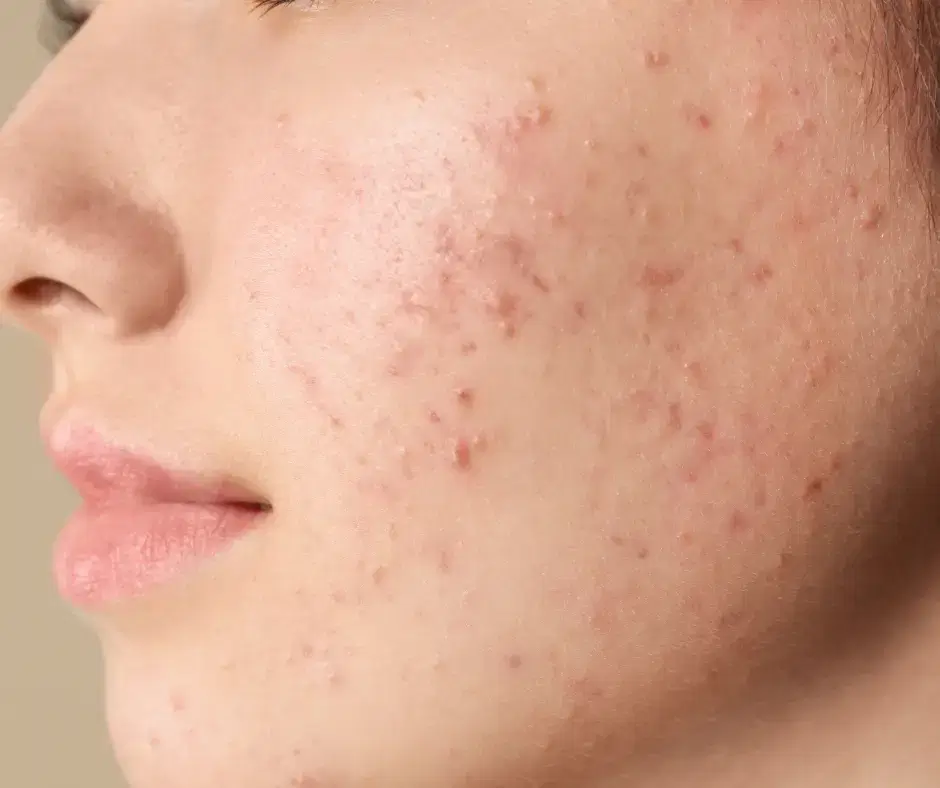
Understanding acne
Small dark bumps caused by clogged pores. The trapped oil darkens when it is exposed to the air.
Similar to blackheads, but firmer and closed over, so they won’t empty when squeezed.
Small, raised red bumps that can feel tender or sore to the touch.
Similar to papules, but with a white or yellow tip in the centre caused by a build-up of pus.
Large, hard lumps that form deep beneath the surface of the skin and can be painful.
The most severe type – large, pus-filled lumps similar to boils, which carry the greatest risk of scarring.
Good to know
A detailed look at your skin, including skin scanning, so we can understand what’s behind your breakouts and plan the right approach.
Medical-grade facials, including the Acne Express facial, to deeply cleanse, calm the skin and help keep pores clear.
Gentle, soothing light therapy that may help calm inflammation and support your skin between treatments.
Professional peels that exfoliate and help unclog pores, refining texture and congestion over a course of treatments.

At home
Our Helen Hunt Skin Clear Complexion Set is formulated to help manage acne-prone skin at home, working alongside your in-clinic treatments for the best results.
A few simple habits can also make a real difference:

Why us
Your questions answered
Yes. Although acne is often linked with the teenage years, it can continue – or start for the first time – well into adulthood. Hormonal changes, stress and certain skincare or make-up products can all play a part.
Acne develops when overactive oil glands, dead skin cells and bacteria block the pores, leading to inflammation. Hormones, genetics and lifestyle factors can all contribute, which is why we look at the whole picture during your consultation.
It depends on the type and severity of your acne, your skin type and your lifestyle. During your consultation we’ll look closely at your skin and create a personalised plan, which may combine in-clinic treatments with medical-grade skincare.
Many people notice an improvement within a few weeks, but acne usually responds best to a course of treatments alongside a consistent home routine. We’ll talk you through realistic timescales before you start.
Yes. Once active breakouts are under control, we offer treatments to help improve the look of scarring and uneven texture. You can find out more on our scarring page.